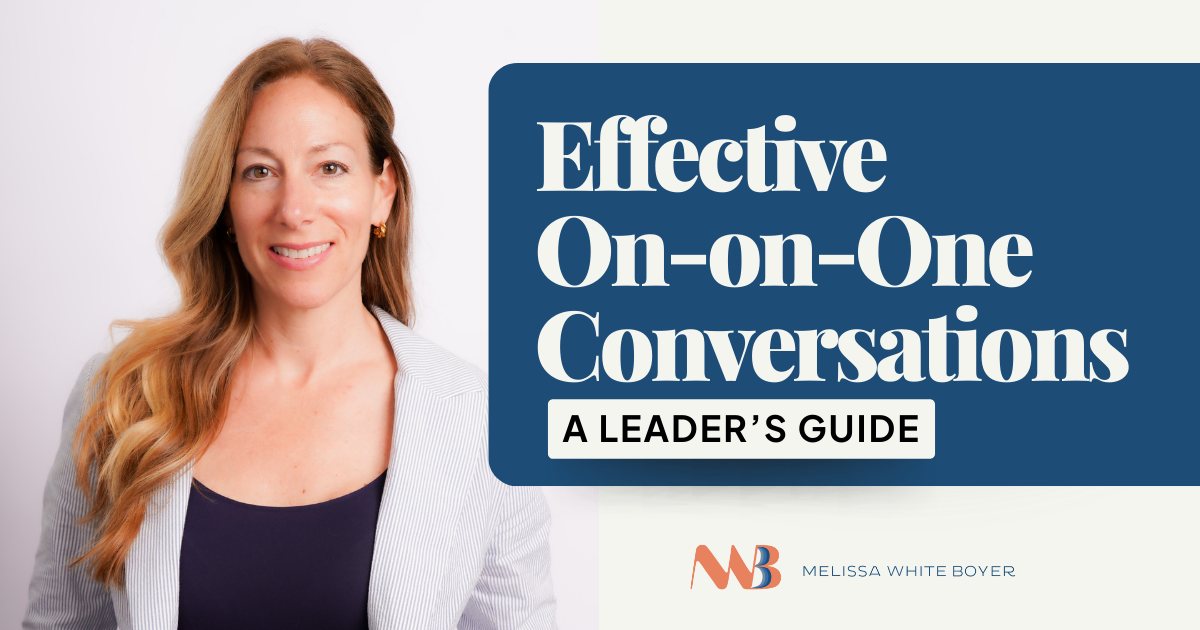

Effective One-on-One Conversations: A Leader’s Guide
Great leadership doesn’t happen in group settings alone—it happens in the moments we take to invest in others one-on-one. Whether you’re developing future leaders, building trust, or improving specific skills, intentional conversations make all the difference.
Here are three types of effective one-on-one conversations every leader should have:
1. Check-In Conversations
Who: Everyone
Duration: ~15 minutes
This is your pulse check. It’s a quick touchpoint to see how someone is doing personally and professionally.
- How are things going?
- Where do you feel like you’re winning?
- Where are you feeling stuck?
Offer a bit of perspective or encouragement.
Don’t overcomplicate it—this is about showing you care and keeping the lines of communication open.
2. Relationship-Building & Leadership Development
Who: High-potential individuals or those you’re looking to mentor
This type of conversation takes a deeper dive. It’s usually more relaxed (coffee, lunch, walk-and-talk) and is about getting to know the whole person.
Key components:
- Share about yourself. (Opens trust.)
- Invite them into the business. Talk about what’s working and what isn’t.
- Ask for their insights:
- Why do you think this person is doing well?
- Why do you think this person is struggling?
- Review their current role and goals.
- Talk through their mindset and how they’re feeling.
- Identify: What does a win look like this week?
- Strategize: Where should they invest their time?
This is where leadership seeds get planted.
3. Skill-Based Coaching Conversations
Who: Individuals who want to grow or need support
This is where you roll up your sleeves. Whether it’s skill-based or mental performance focused, you’re actively developing someone.
Structure:
- Teach: Explain the concept or skill.
- Inspect: Check understanding and current execution.
- Model: Show them how you do it.
- Practice: Do it together.
- Delegate: Let them do it on their own.
Think: I do. We do. You do.
Then inspect again. Follow up. Make sure they implemented what you discussed.
When done consistently, these conversations shape culture, develop leaders, and deepen trust. They also help people feel seen, supported, and challenged—which is where real growth happens.
Start with one, and build the habit. Your team will thank you.
Further Reading
If you’re looking to elevate your leadership conversations, these resources offer practical and research-backed insight:
• The art of effective one-on-one meetings
https://hbr.org/2016/12/the-art-of-the-one-on-one-meeting
• Why meaningful conversations shape great managers
https://www.gallup.com/workplace/321786/conversations-leaders-need-having.aspx
• How leaders develop others through coaching
https://www.ccl.org/articles/leading-effectively-articles/coaching-others/
• Practical coaching skills for everyday leadership
https://www.mindtools.com/al3q7qc/coaching-skills